
Cost of living in Australia
Studying in Australia is a major investment, but with the right planning, it can be more affordable than many international students expect.
Australia offers flexible study pathways, part-time work rights, and a wide range of scholarships that help reduce the overall cost of living while studying.
This page provides a realistic overview of everyday student expenses in Australia, practical budgeting examples, and available scholarship options—so you can plan your studies in Australia with confidence and clear expectations.
Explore real student living costs and scholarship options in Australia below.
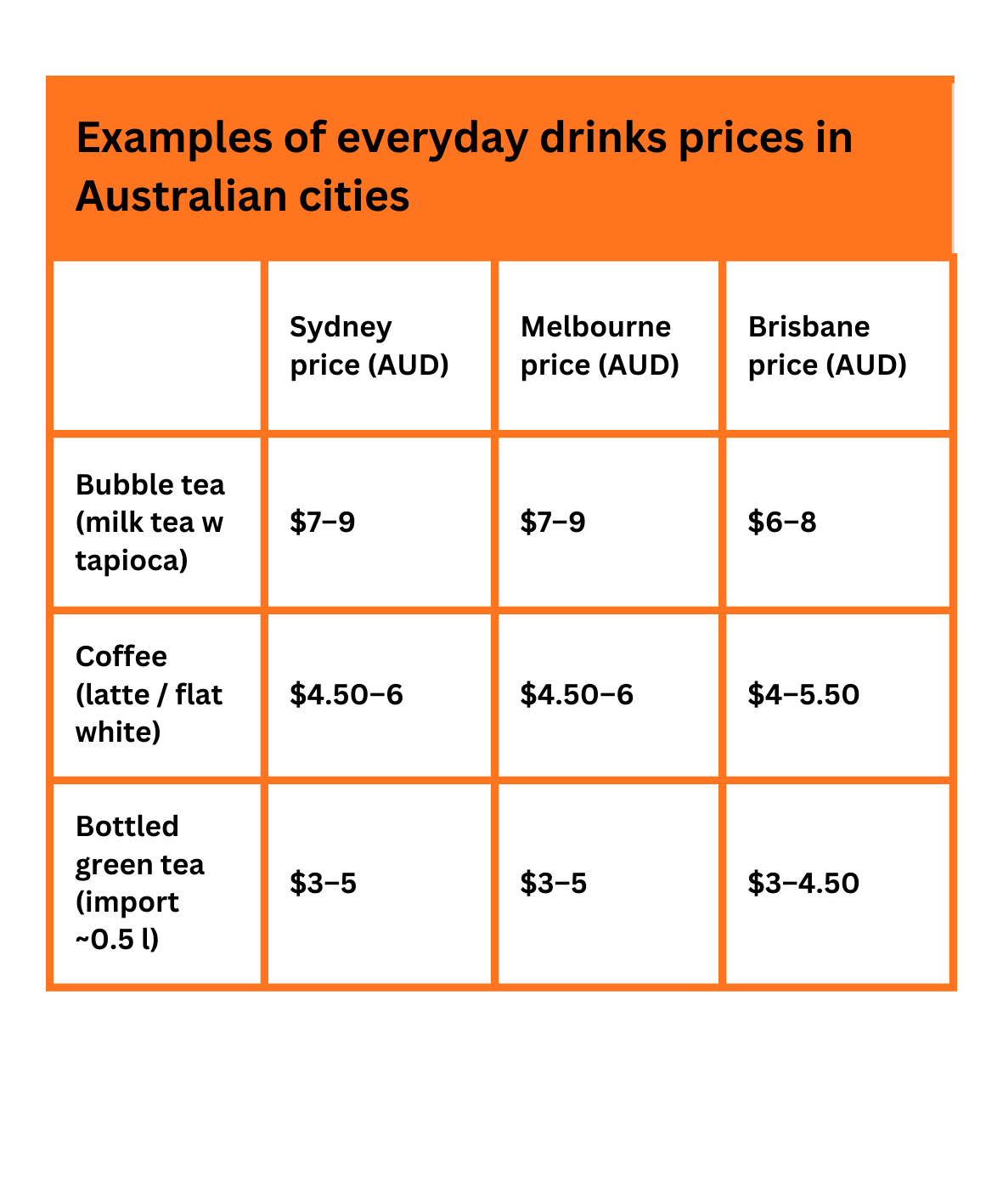
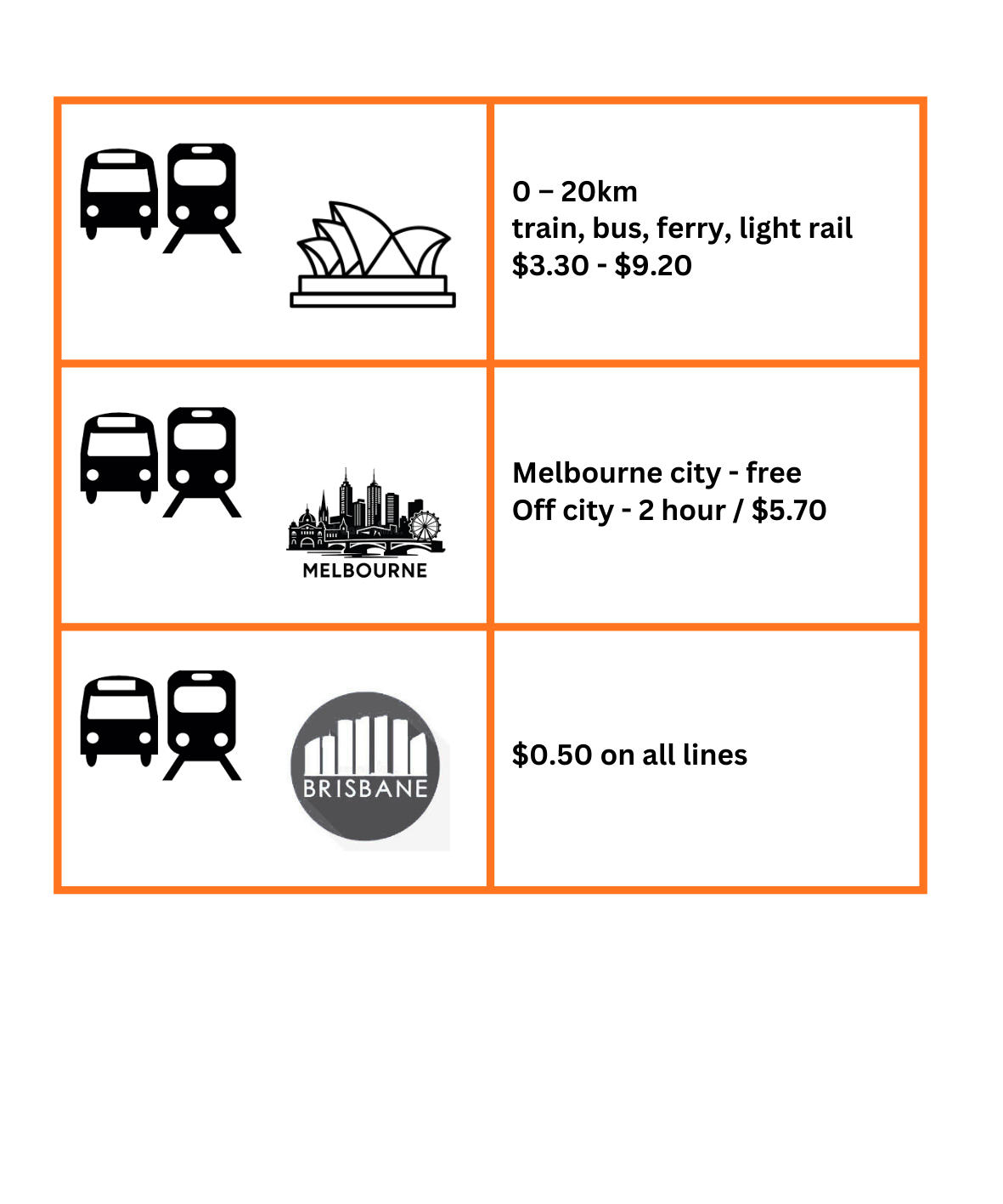
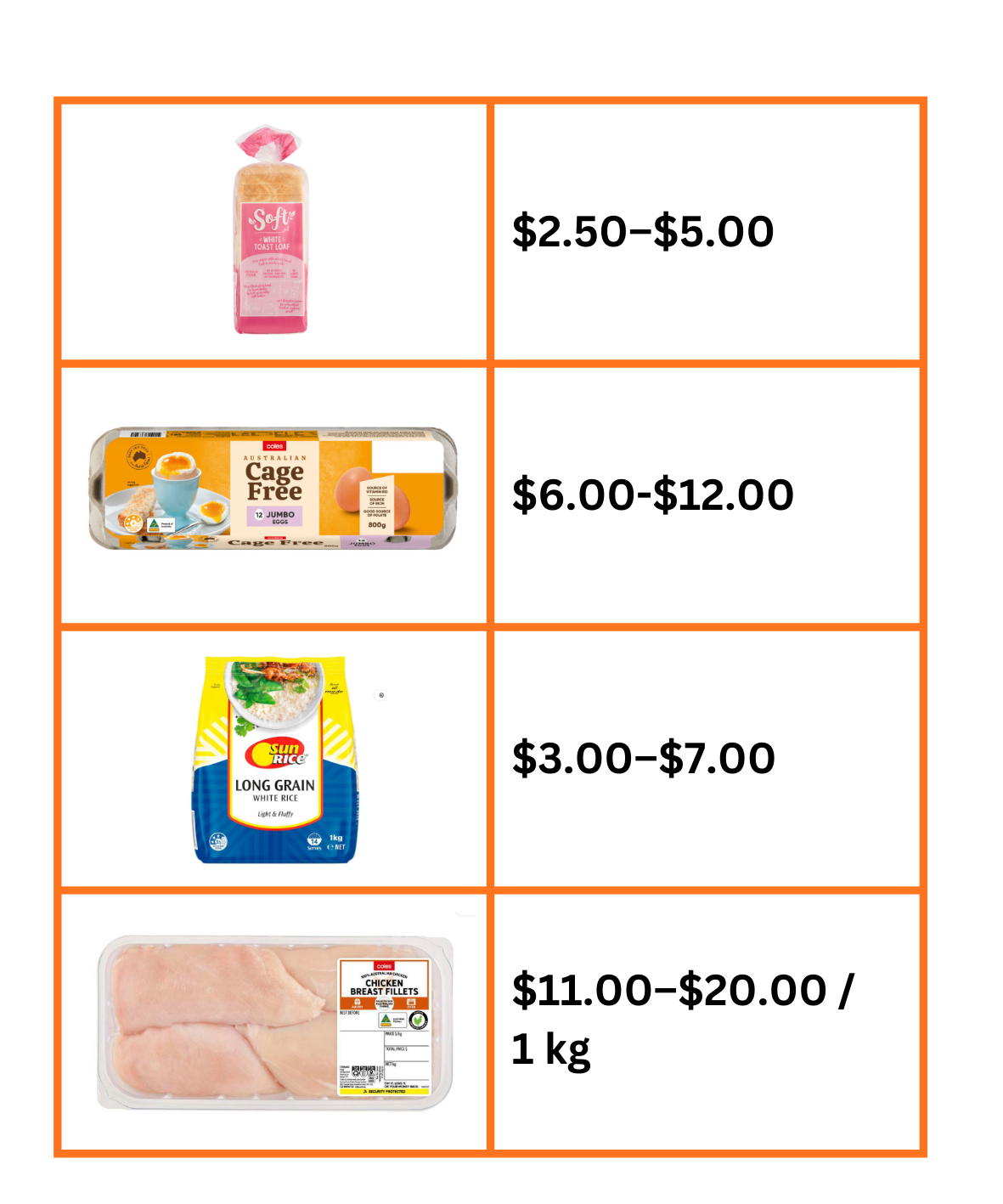
2. Everyday Living Costs (examples)
1. Is Australia affordable for international students?
3. Work opportunities while studying
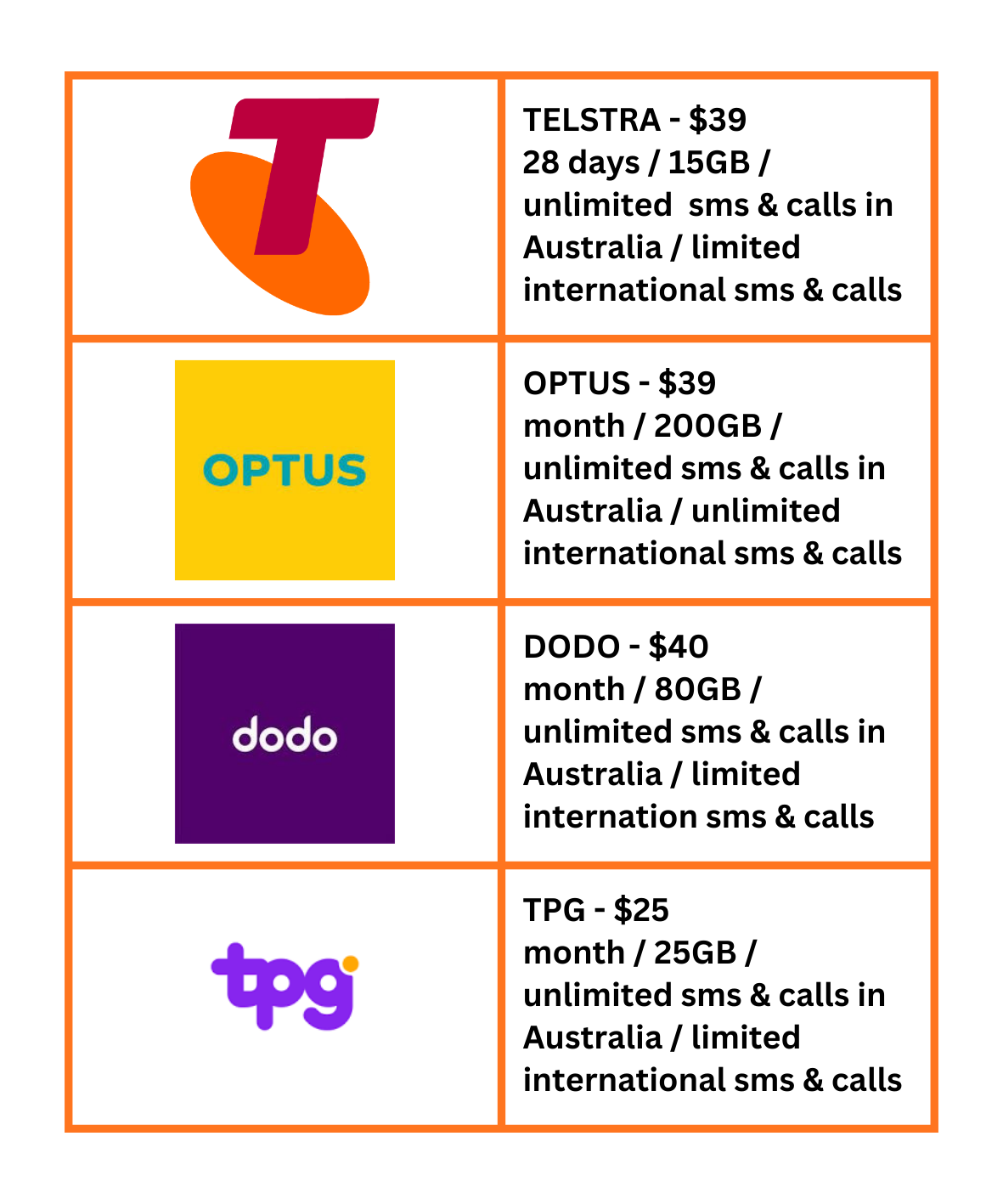
Studying in Australia offers international students the advantage of legal work rights during their studies. Most student visas allow students to work up to 48 hours per fortnight during the academic term and full-time during holidays. Even a small number of weekly shifts can cover expenses such as groceries, transport, and mobile plans.
Working while studying also allows students to improve their English communication and workplace skills, understand Australian work culture, and strengthen their resumes.
Some universities and colleges provide career services, job boards, and internship support, however, most of the students have to find the jobs by themselves.
International students in Australia work across a range of industries. Below are some of the most common part-time job types, with Sydney-, Melbourne-, and Brisbane-specific pay ranges, realistic shift patterns, and typical working hours.

Admin jobs (office, reception, campus roles)
Administrative jobs are among the highest-paying part-time roles for international students, though they are less widely available.
Pay:
Sydney: AUD $30–40 / hour
Melbourne AUD $28–36 / hour
Brisbane AUD $26–34 / hour
Shifts: 5–8 hours long, 1–3 shifts / week.
Time: weekdays, daytime (9 am–5 pm)
English: medium - high
Why Yes: can be job experience relevant to studies
Why Not: entry positions can be competitive, often require strong English, difficult to combine with daytime studies
What to expect:
Hospitality (cafés, restaurants, bars)
Hospitality jobs are among the most popular part-time jobs for international students in Australia.
Pay:
Sydney: AUD $25–32 / hour
Melbourne AUD $24–30 / hour
Brisbane AUD $23–29 / hour
Shifts: 4–6 hours, 2–4 shifts / week.
Time: commonly early mornings (cafés), evenings, and weekends
English: low - medium
Why Yes: tips, free meals, many job openings, easy to combine with studies
Why Not: fast-paced, stressful during busy hours, unsociable working hours, long lunch breaks, cancel shifts when not busy
Shared accommodation
Typical weekly cost by city (AUD):
Sydney: $220–$320
Melbourne: $200–$300
Brisbane: $180–$280
Pros:
Lowest rent option; shared utilities; social environment; often close to campus or transport
Cons:
Less privacy; housemate conflicts; variable living standards
Best for:
Budget-conscious students; students who want a social lifestyle
Cleaning
Cleaning jobs are a common option for international students who want flexible hours and higher hourly pay.
Pay:
Sydney: AUD $28–38 / hour
Melbourne: AUD $26–35 / hour Brisbane: AUD $25–33 / hour
Shifts: 2–5 hours, 3–5 shifts / week
Time: early in the morning or late in the evening
English: low
Why Yes: stable shifts, no stress, no customer contact, easy to combine with studies or a second job
Why Not: physically hard, not many weekend shifts, often short shifts, sometimes very early morning shifts
4. Accomodation
Purpose-built student accommodation
Typical weekly cost by city (AUD):
Sydney: $350–$550
Melbourne: $320–$500
Brisbane: $280–$450
Pros:
Furnished rooms; bills included; secure buildings; student-focused facilities
Cons:
Higher cost; limited availability; strict rules
Best for:
Students seeking convenience, safety, and minimal setup
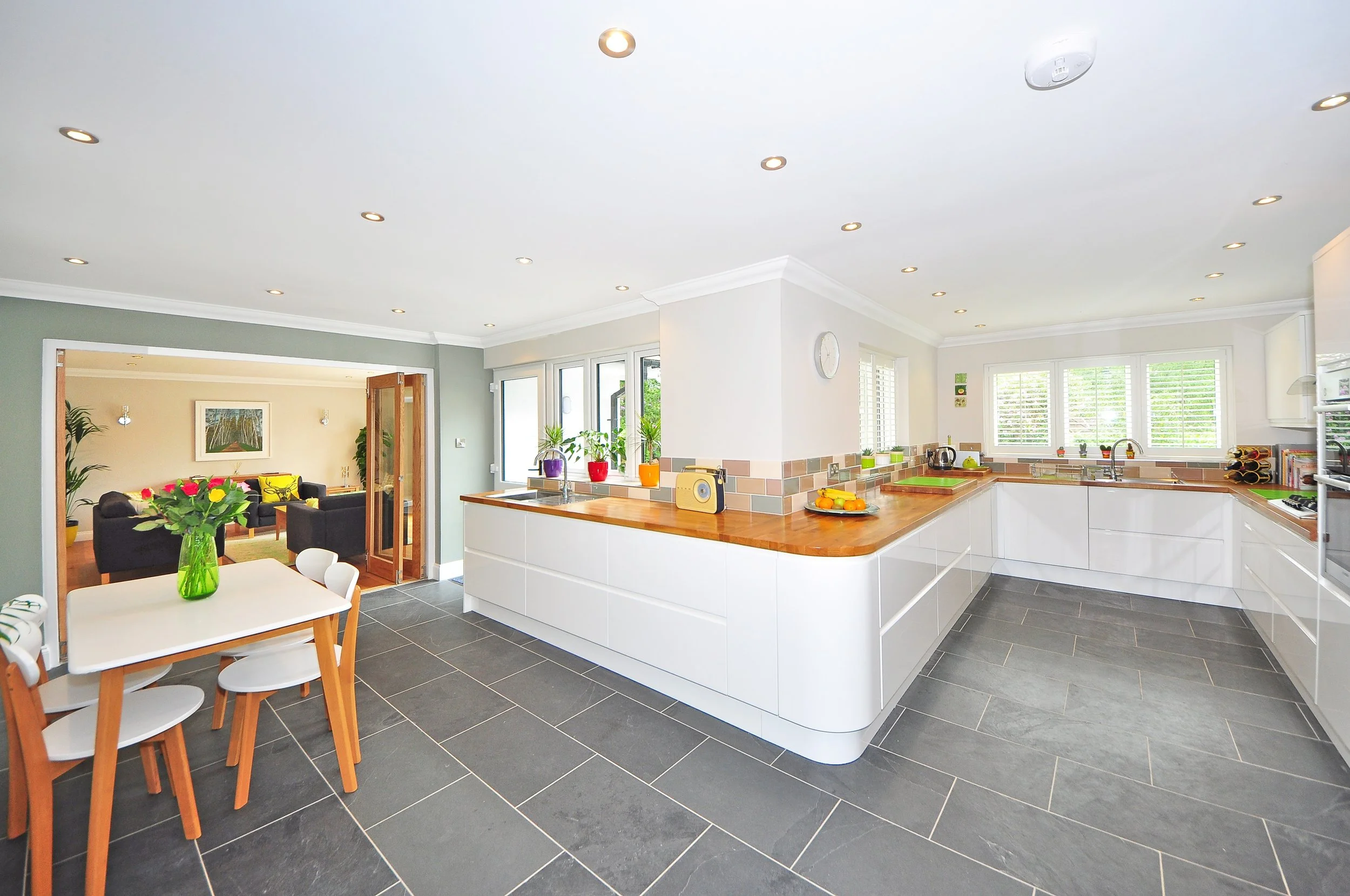
Accommodation for international students in Australia typically includes shared accommodation, purpose-built student accommodation, homestays, and private rentals.
Shared accommodation is the most common housing option for international students in Australia, particularly among students from Japan and other Asian countries, as it helps reduce rent and living expenses while allowing students to live close to campuses and public transport.
Purpose-built student accommodation is also popular, offering furnished rooms, inclusive bills, and secure facilities, which appeals to students seeking convenience and a structured living environment.
Homestays are often chosen by younger students or those new to Australia, providing meals, English practice, and cultural support in a family setting. Private rentals, such as studios or one-bedroom apartments, offer greater privacy but are less common among international students due to higher costs and setup requirements.

Retail (shops, supermarkets, malls)
Retail jobs offer stable and predictable part-time work for international students.
Pay:
Sydney: AUD $24–30 / hour
Melbourne: AUD $23–28 / hour
Brisbane: AUD $22–27 / hour
Shifts: 4–8 hours, 2–3 shifts / week
Time: mainly daytime
English: low - medium
Why Yes: stable shifts, fewer late hour shifts
Why Not: customer service and sale targets pressure, difficult to combine with daytime studies
Homestay
Typical weekly cost by city (AUD):
Sydney: $300–$380
Melbourne: $280–$360
Brisbane: $250–$330
Pros:
Meals often included; English practice; cultural support; family environment
Cons:
Limited independence; house rules; less flexibility
Best for:
Younger students; first-time arrivals to Australia
5. Hidden and overlooked costs international students should plan for
While weekly expenses like rent and groceries are relatively easy to estimate, many international students in Australia are surprised by additional costs during their first months.
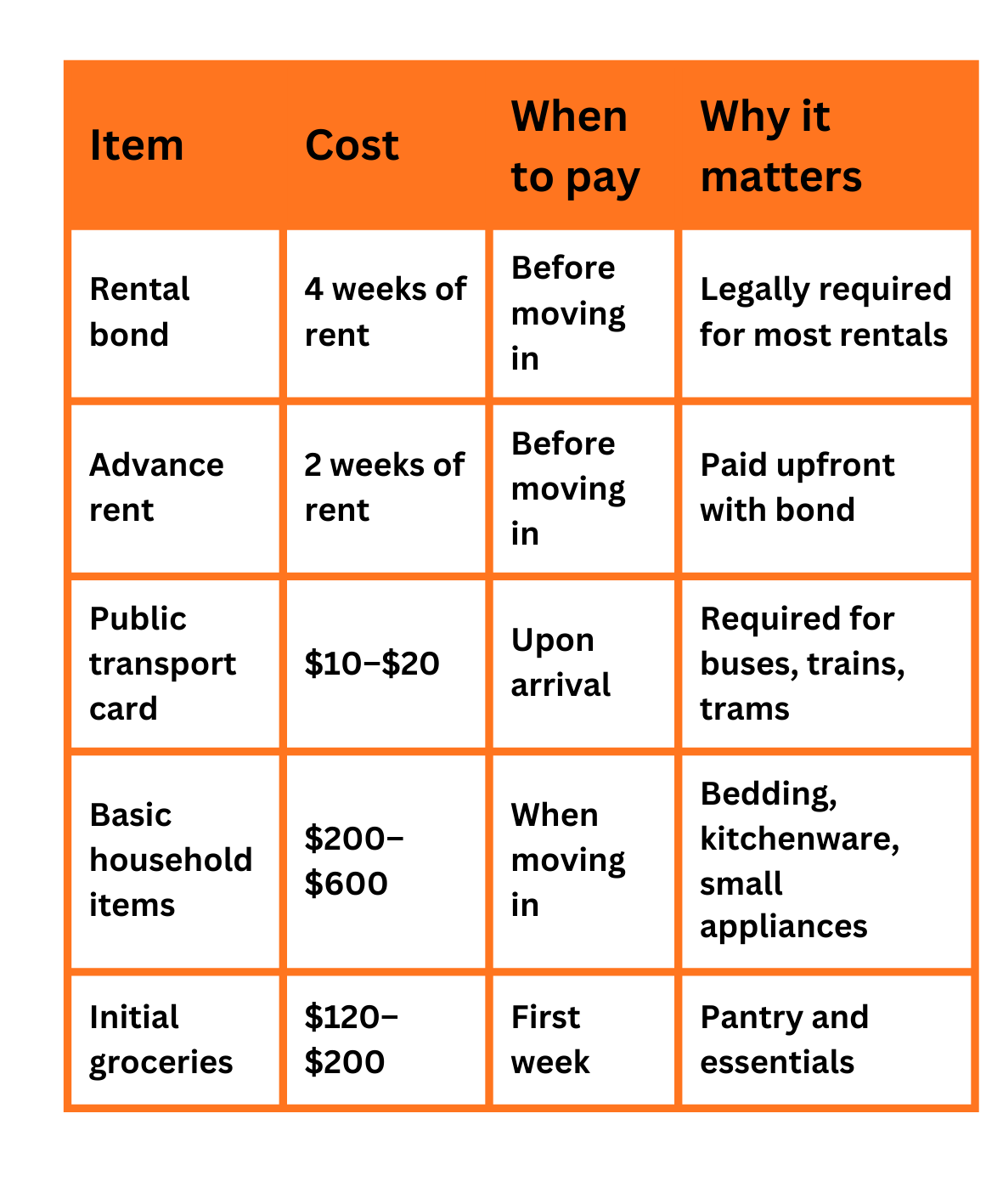
Beyond standard living expenses, students may need to budget for rental bonds and advance rent payments, health insurance gaps not fully covered by OSHC, study materials such as online access codes, and setup costs for transport cards, mobile plans, and basic household items.
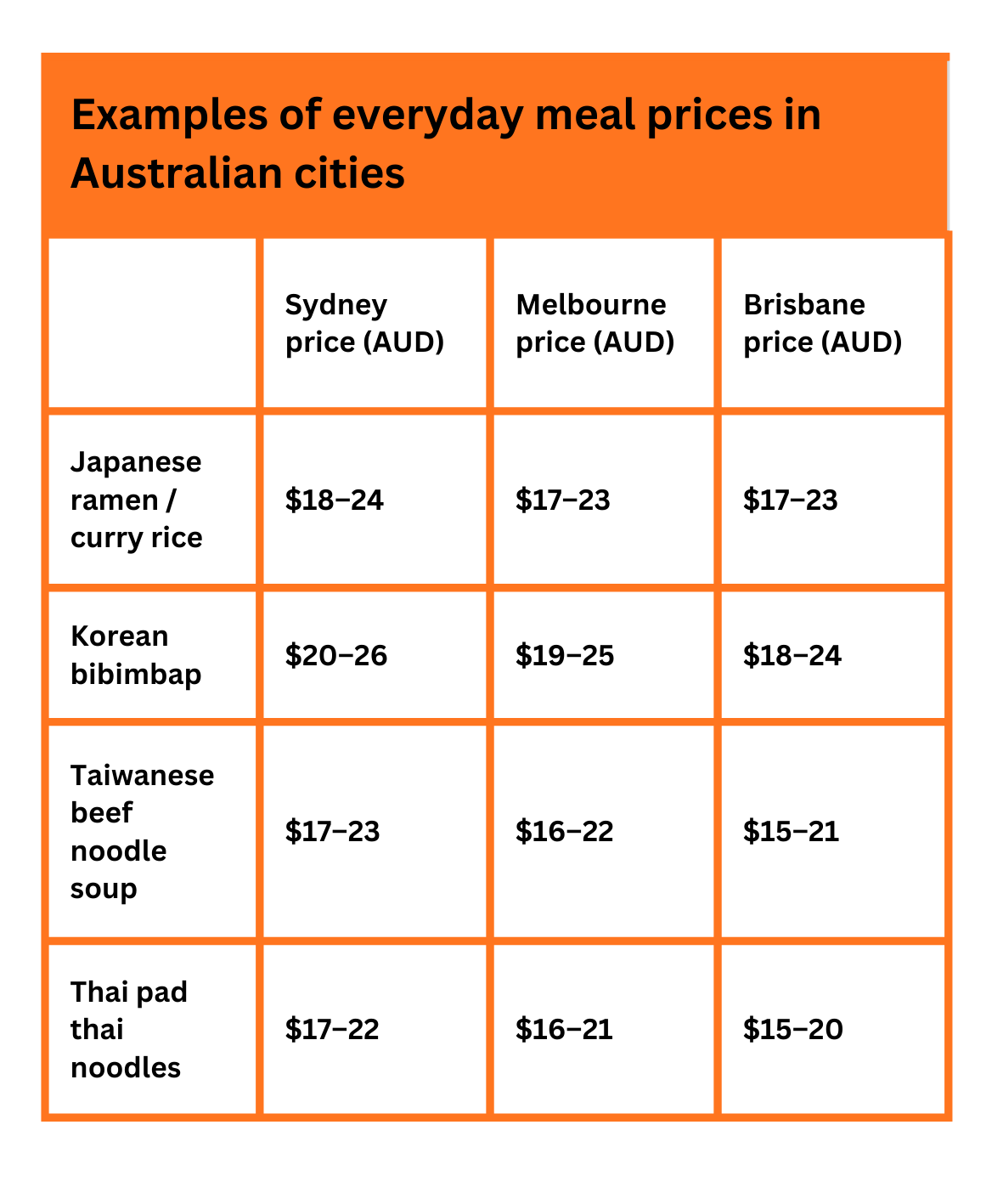
Many are also surprised by the higher cost of casual eating out or regular bubble tea compared to Japan, Korea, or Taiwan.
Understanding these less visible expenses provides a more realistic picture of the true cost of living in Australia and helps students settle in with confidence.
Private rental (studio / 1-bedroom)
Typical weekly cost by city (AUD):
Sydney: $400–$700+
Melbourne: $400–$650+
Brisbane: $350–$550
Pros:
Full privacy; independent living; flexible lifestyle
Cons:
Most expensive option; setup costs; utilities not included
Best for:
Students with higher budgets or long-term study plans